
Penile Cancer Treatment in Lucknow – Dr Manmeet Singh
Penile cancer treatment by Dr Manmeet Singh at Medanta Hospital Lucknow.
Expert Penile Cancer Surgery in Lucknow
Penile cancer is a rare but serious urological cancer that requires early diagnosis and specialized surgical management. Timely treatment significantly improves outcomes and survival. Dr Manmeet Singh provides specialised surgical management as part of his urologic oncology care in Lucknow at Medanta.
Dr Manmeet Singh, Director of Urology, Robotics & Kidney Transplant at Medanta Hospital Lucknow, provides comprehensive evaluation and surgical management for penile cancer using internationally accepted treatment protocols.
What is Penile Cancer?
Penile cancer occurs when malignant cells develop in the tissues of the penis. The most common type is squamous cell carcinoma, which usually begins in the skin or foreskin.
Risk Factors for Penile Cancer
- Human papillomavirus (HPV) infection
- Poor genital hygiene
- Phimosis (tight foreskin)
- Smoking
- Chronic inflammatory conditions
Symptoms of Penile Cancer
- Persistent ulcer or growth on penis
- Bleeding lesion
- Foul-smelling discharge
- Swelling in groin (lymph node enlargement)
- Skin thickening or discoloration
Diagnosis of Penile Cancer
- Clinical examination
- Biopsy of lesion
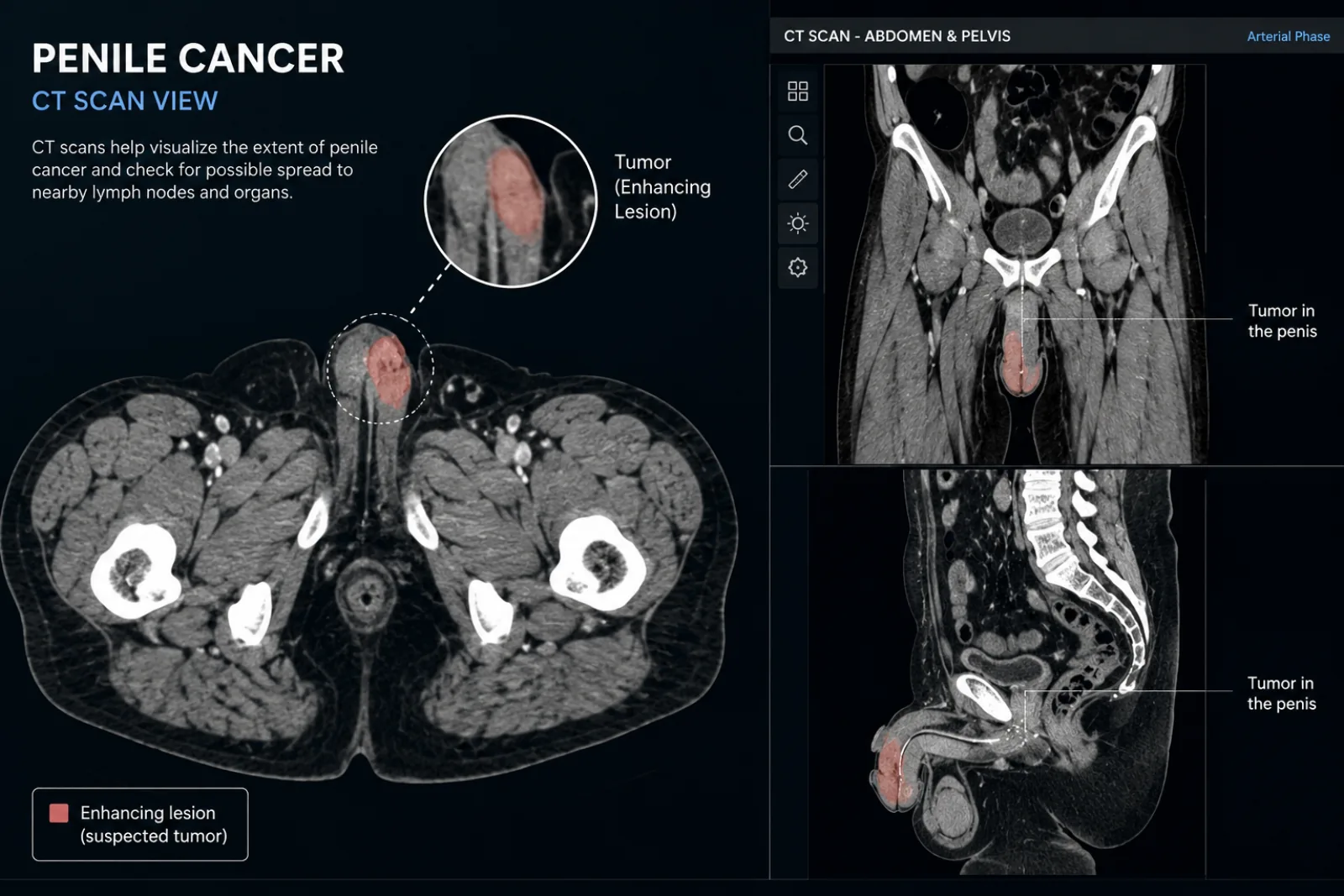
- MRI or CT scan for staging
- Assessment of lymph nodes
Stages of Penile Cancer
Penile cancer staging depends on tumor size, depth of invasion and lymph node involvement. Early-stage cancers are more likely to be cured with surgery.
Treatment Options for Penile Cancer
1. Partial Penectomy
Removal of the tumor while preserving as much of the penis as possible. Suitable for early-stage localized tumors.
2. Total Penectomy
Complete removal of the penis when tumor is extensive. Reconstruction and urinary diversion planning are discussed pre-operatively.
3. Lymph Node Dissection
Removal of involved groin lymph nodes if cancer has spread.
4. Chemotherapy / Radiotherapy
Used in advanced stages or when lymph nodes are involved.
Organ-Preserving Approach
Whenever feasible, organ-preserving techniques are preferred to maintain function and quality of life while ensuring complete cancer removal.
Recovery After Penile Cancer Surgery
- Hospital stay: 2–5 days
- Recovery period: 2–3 weeks
- Regular follow-up essential
Prognosis of Penile Cancer
When diagnosed early, penile cancer has favorable outcomes. Delayed treatment increases risk of lymph node spread.
Why Choose Dr Manmeet Singh for Penile Cancer Treatment in Lucknow?
- Director – Urology, Robotics & Kidney Transplant at Medanta
- 20+ years surgical expertise
- Organ-preserving surgical techniques
- Multidisciplinary cancer care coordination
- Ethical and compassionate counseling
- Structured follow-up program
When to Consult a Urologist?
Any persistent penile lesion, ulcer or abnormal growth should be evaluated immediately. Early intervention offers the best chance of cure.
Call +91 9278164041Frequently Asked Questions – Penile Cancer
Yes. Early-stage penile cancer can be effectively treated with surgery.
Urinary function is preserved in most partial penectomy cases. Treatment planning is discussed thoroughly before surgery.
Penile cancer is rare but requires prompt treatment if suspected.
A non-healing ulcer, redness, skin thickening, or growth on the penis — especially under the foreskin — requires immediate evaluation by a urologist.
Biopsy is the definitive diagnostic test. CT or MRI scans are used to assess tumor staging and lymph node involvement in the groin.
HPV vaccination, maintaining good genital hygiene, circumcision for phimosis, and avoiding smoking all significantly reduce the risk of penile cancer.
Organ-preserving surgery removes only the tumor and a small margin of tissue, preserving penile length and function wherever clinically possible without compromising cancer control.
Consult Dr Manmeet Singh – Urologist in Lucknow
Director – Urology, Robotics & Kidney Transplant
Medanta Hospital Lucknow