
Bladder Cancer Treatment in Lucknow – Dr Manmeet Singh
Bladder cancer surgery and treatment by Dr Manmeet Singh at Medanta Hospital Lucknow.
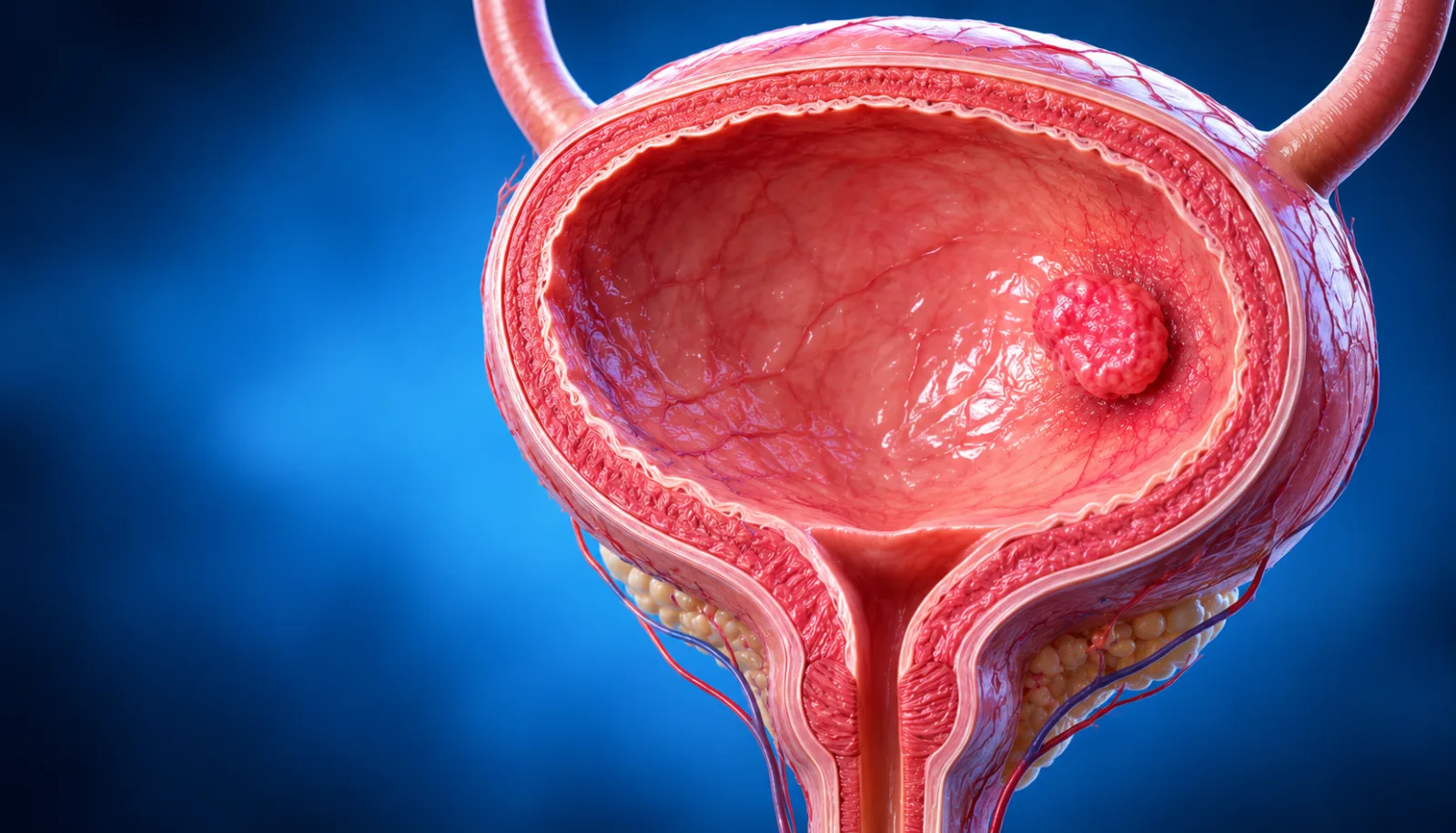
Expert Bladder Tumor Surgery in Lucknow
Bladder cancer is one of the most common urological cancers. Early diagnosis and stage-appropriate treatment are crucial for long-term survival and quality of life. Dr Manmeet Singh provides comprehensive bladder cancer care as part of his urological cancer specialist practice in Lucknow.
Dr Manmeet Singh, Director of Urology, Robotics & Kidney Transplant at Medanta Hospital Lucknow, provides comprehensive bladder cancer management including TURBT, intravesical therapy and robotic radical cystectomy.
What is Bladder Cancer?
Bladder cancer occurs when abnormal cells grow in the lining of the urinary bladder. The most common type is transitional cell carcinoma (urothelial carcinoma).
Painless visible hematuria is a classic warning symptom of bladder cancer. See detailed information on Bladder Cancer Treatment
Risk Factors for Bladder Cancer
- Smoking (major risk factor)
- Exposure to industrial chemicals
- Chronic bladder irritation
- Recurrent urinary infections
- Family history
Symptoms of Bladder Cancer
- Blood in urine (painless hematuria)
- Frequent urination
- Burning urination
- Pelvic pain (advanced stage)
- Lower back pain
Diagnosis of Bladder Cancer
- Urine examination
- Ultrasound
- CT Urography
- Cystoscopy
- Biopsy during TURBT
Stages of Bladder Cancer
1. Non-Muscle Invasive Bladder Cancer (NMIBC)
Cancer limited to inner layers of bladder. Usually treated with TURBT and intravesical therapy.
2. Muscle-Invasive Bladder Cancer (MIBC)
Cancer invading bladder muscle layer. Often requires radical cystectomy.
Treatment Options for Bladder Cancer
1. TURBT (Transurethral Resection of Bladder Tumor)
Minimally invasive endoscopic procedure performed through the urethra to remove bladder tumors.
2. Intravesical Therapy
Medication instilled directly into the bladder to prevent recurrence.
3. Robotic Radical Cystectomy
Complete removal of bladder using robotic-assisted surgery for muscle-invasive cancer.
4. Urinary Diversion
After bladder removal, urinary diversion is created using intestine (ileal conduit or neobladder).
Advantages of Robotic Cystectomy
- Minimal blood loss
- Smaller incisions
- Better precision
- Reduced hospital stay
- Faster recovery
Bladder Cancer Recurrence and Follow-Up
Bladder cancer has a known risk of recurrence. Regular cystoscopy and imaging follow-up are essential for long-term monitoring.
Why Choose Dr Manmeet Singh for Bladder Cancer Treatment in Lucknow?
- Director – Urology, Robotics & Kidney Transplant at Medanta
- Advanced robotic surgical expertise
- Comprehensive cancer staging approach
- Multidisciplinary coordination
- 20+ years surgical experience
- Ethical and transparent counseling
Consult Bladder Cancer Specialist in Lucknow
If you have blood in urine or have been diagnosed with bladder tumor, consult Dr Manmeet Singh for advanced bladder cancer treatment in Lucknow.
Call +91 9278164041Expert Videos – Bladder Cancer Awareness

A comprehensive explanation of bladder cancer — from painless haematuria to TURBT and radical cystectomy.
Watch on YouTube
The most important early warning signs of bladder cancer, explained in under a minute.
Watch on YouTubeFrequently Asked Questions – Bladder Cancer
No. But painless blood in urine must always be evaluated by a urologist.
TURBT is a minimally invasive endoscopic procedure performed without external cuts.
Yes. Early-stage bladder cancer is highly treatable with proper management and follow-up.
TURBT (Transurethral Resection of Bladder Tumor) is a minimally invasive endoscopic procedure that removes bladder tumors through the urethra without any external cuts.
Staging is based on depth of tumor invasion. Non-muscle invasive (NMIBC) is confined to inner layers; muscle-invasive (MIBC) penetrates the bladder wall and requires more aggressive treatment.
Yes. Smoking is the single largest risk factor for bladder cancer, responsible for more than half of all cases. Quitting smoking significantly reduces risk.
Regular cystoscopy every 3–6 months initially, with urine cytology and imaging as required, is essential to monitor for recurrence and guide further treatment.
Consult Dr Manmeet Singh – Urologist in Lucknow
Director – Urology, Robotics & Kidney Transplant
Medanta Hospital Lucknow