
Kidney Stone Treatment in Lucknow – Dr Manmeet Singh
Kidney stone treatment by Dr Manmeet Singh at Medanta Hospital Lucknow.
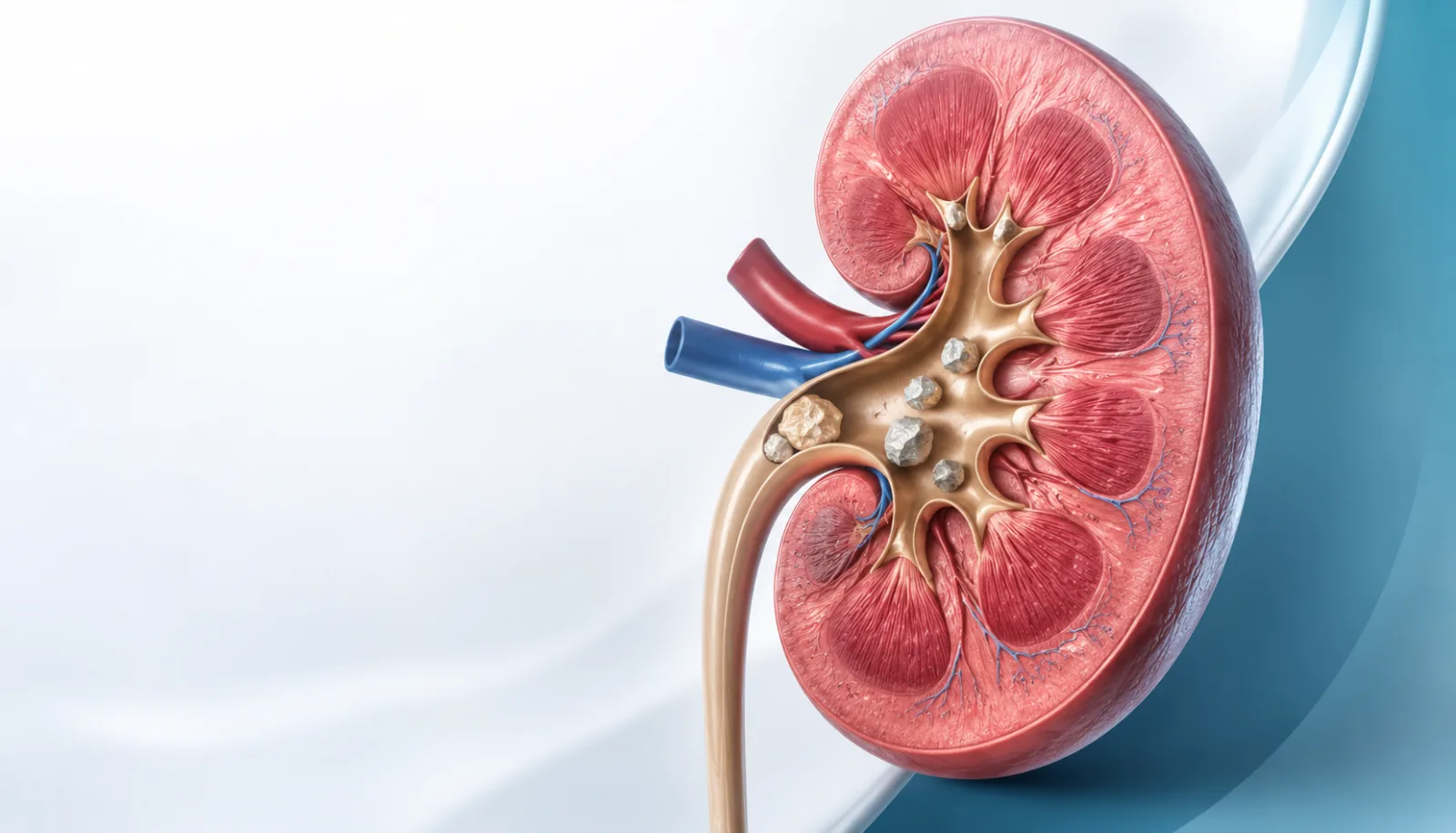
Expert Kidney Stone Specialist in Lucknow
Kidney stones are one of the most common urological conditions affecting people in India. Due to climatic conditions, dehydration and dietary patterns, kidney stones are increasingly seen in patients across all age groups. If you are looking for advanced kidney stone treatment in Lucknow, Dr Manmeet Singh — an experienced kidney stone specialist in Lucknow — offers comprehensive evaluation and state-of-the-art laser stone surgery at Medanta Hospital.
With over 20 years of surgical experience in endourology and minimally invasive procedures, Dr Manmeet Singh specializes in treating simple as well as complex kidney stones using modern techniques such as RIRS, PCNL and laser URS.
What Are Kidney Stones?
Kidney stones are hard mineral and salt deposits that form inside the kidneys. They develop when urine becomes concentrated, allowing minerals like calcium, oxalate and uric acid to crystallize.
Stones can vary in size — from tiny crystals that pass naturally to large stones that block the urinary tract and cause severe pain.
Common Symptoms of Kidney Stones
- Severe back or flank pain
- Blood in urine (hematuria)
- Burning urination
- Nausea and vomiting
- Frequent urge to urinate
- Fever with urinary infection
If you experience these symptoms, early consultation with a kidney stone specialist in Lucknow is important to prevent complications.
Advanced Kidney Stone Treatment Options
1. RIRS (Retrograde Intrarenal Surgery)
RIRS is a modern laser procedure where a flexible scope is passed through the natural urinary passage to reach the kidney stone. The stone is fragmented using laser energy and removed without any incision.
Benefits:
- No external cuts
- Minimal pain
- Short hospital stay
- Faster recovery
2. PCNL (Percutaneous Nephrolithotomy)
PCNL is recommended for large kidney stones. A small keyhole incision is made in the back and the stone is removed using specialized instruments.
Mini-PCNL offers smaller incision size with reduced bleeding and quicker healing.
3. Laser URS (Ureteroscopy)
Laser URS is used for stones located in the ureter. A thin scope is inserted through the urinary passage and the stone is broken using laser energy.
Advanced options such as Laser URS & RIRS and PCNL Surgery are used for stone removal.Why Choose Dr Manmeet Singh for Kidney Stone Treatment?
- Director – Urology & Kidney Transplant at Medanta Lucknow
- 20+ years of surgical expertise
- Advanced laser technology
- High success rate in complex stones
- Minimally invasive approach
- Patient-focused and ethical care
Complications If Kidney Stones Are Not Treated
Untreated stones may lead to:
- Severe infection
- Kidney damage
- Obstruction of urine flow
- Sepsis (life-threatening condition)
Related reading: 5 things silently damaging your kidneys — a prevention guide for kidney health.
Prevention of Kidney Stones
- Drink 3–4 liters of water daily
- Reduce salt intake
- Avoid excessive red meat
- Limit oxalate-rich foods
- Regular follow-up if prone to stones
Book Consultation for Kidney Stone Surgery in Lucknow
If you are suffering from kidney stones or recurrent stone disease, schedule an appointment with Dr Manmeet Singh at Medanta Hospital Lucknow for advanced laser kidney stone treatment.
Call +91 9278164041Watch: RIRS vs PCNL – Which Kidney Stone Surgery is Right for You?
Frequently Asked Questions – Kidney Stones
No. Laser procedures like RIRS are minimally invasive and performed under anesthesia. Recovery is fast with minimal discomfort.
Most procedures take 45–90 minutes depending on stone size and complexity.
Yes. Lifestyle modification and regular follow-up help reduce recurrence risk.
RIRS uses a flexible scope through the natural urinary passage for medium-sized kidney stones. PCNL uses a small keyhole incision in the back and is reserved for large or complex stones above 2 cm.
Severe sudden flank pain, blood in urine, and nausea are classic symptoms. Diagnosis is confirmed by CT scan or ultrasound.
Yes. Stones smaller than 5mm often pass naturally with adequate hydration and pain management. Larger stones usually require surgical intervention.
High salt intake, excessive red meat, oxalate-rich foods (spinach, nuts), and insufficient water intake all increase the risk of kidney stone formation.
What to expect at your consultation
No referral required · Second opinions welcome · Medanta Hospital, Lucknow
Consult Dr Manmeet Singh – Urologist in Lucknow
Director – Urology, Robotics & Kidney Transplant
Medanta Hospital Lucknow