
Deceased Donor Kidney Transplant in Lucknow – Dr Manmeet Singh
Deceased donor kidney transplant by Dr Manmeet Singh at Medanta Hospital Lucknow.
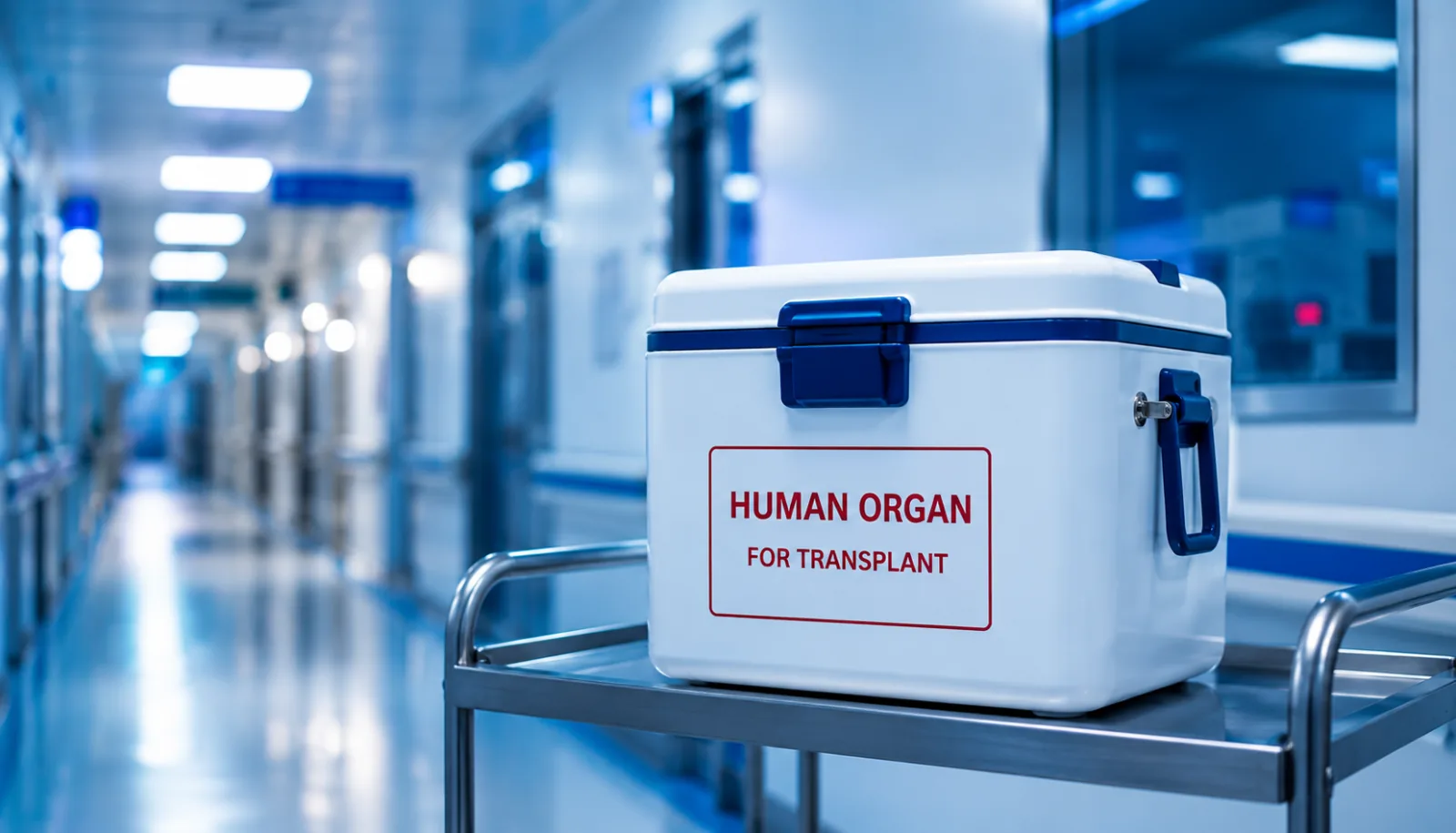
What is a Deceased Donor Kidney Transplant?
A deceased donor kidney transplant (also known as cadaver kidney transplant) is performed when a kidney from a brain-dead donor is transplanted into a patient with end-stage kidney disease (ESKD). Organ retrieval occurs after certified brain death, following strict ethical and legal protocols.
In India, organ allocation is regulated through authorized transplant networks to ensure transparency and medical urgency-based distribution.
Who Requires a Deceased Donor Transplant?
- Patients without a suitable living donor
- Advanced Chronic Kidney Disease Stage 5
- Long-term dialysis patients
- Patients medically fit for transplant but lacking family donor match
How Organ Allocation Works
Kidneys from deceased donors are allocated based on:
- Blood group compatibility
- HLA matching
- Waiting time duration
- Medical urgency
- Regional allocation guidelines
Patients must be registered on an approved transplant waiting list after completing full medical evaluation.
Evaluation Before Listing
Before being placed on the transplant waiting list, patients undergo:
- Comprehensive blood testing
- Cardiac fitness evaluation
- Infection screening
- Crossmatch and antibody testing
- Imaging studies
- Nephrology clearance
Success Rates of Deceased Donor Kidney Transplant
Although outcomes are slightly lower than living donor transplantation, modern surgical techniques and immunosuppression have significantly improved results.
- 1-year graft survival often exceeds 90%
- Long-term graft survival continues to improve globally
- Patient survival significantly better than remaining on dialysis
Risks and Considerations
- Higher risk of delayed graft function
- Rejection episodes
- Infection risk due to immunosuppressants
- Need for lifelong medication
Advantages Compared to Dialysis
Compared to long-term dialysis, deceased donor kidney transplant offers:
- Better quality of life
- Improved survival rates
- Greater dietary freedom
- Reduced long-term cardiovascular complications
Deceased Donor Kidney Transplant in Lucknow
Dr Manmeet Singh provides structured transplant evaluation, waitlist coordination, and surgical management under evidence-based protocols. Multidisciplinary transplant care ensures optimized outcomes and long-term graft survival.
Watch: Kidney Transplant When Blood Groups Don't Match – ABO Incompatible Explained
Frequently Asked Questions
How long is the waiting period?
The waiting time varies depending on blood group, matching status, and regional organ availability. It may range from months to several years.
Is cadaver transplant less successful than living donor transplant?
Living donor transplant generally has higher long-term graft survival, but deceased donor transplantation remains highly effective and life-saving.
Can elderly patients receive deceased donor kidney?
Eligibility depends on overall health status and transplant evaluation rather than age alone.
Consult Dr Manmeet Singh – Urologist in Lucknow
Director – Urology, Robotics & Kidney Transplant
Medanta Hospital Lucknow