
Laser URS & RIRS in Lucknow – Kidney Stone Laser Surgery
Laser URS and RIRS kidney stone treatment by Dr Manmeet Singh at Medanta Hospital Lucknow.
Advanced Laser Kidney Stone Surgery in Lucknow
Laser URS (Ureteroscopy) and RIRS (Retrograde Intrarenal Surgery) are modern, minimally invasive procedures used for treating kidney and ureteric stones without open surgery, performed by Dr Manmeet Singh — a Lucknow kidney stone specialist — at Medanta Hospital. These advanced techniques have revolutionized kidney stone treatment by offering faster recovery, minimal pain and excellent success rates.
Dr Manmeet Singh, Director of Urology, Robotics & Kidney Transplant at Medanta Hospital Lucknow, specializes in advanced endourology procedures including laser URS and RIRS for simple as well as complex kidney stones.
What is Laser URS?
Laser URS (Ureteroscopy) is a minimally invasive procedure used to treat stones in the ureter. A thin telescope-like instrument is inserted through the natural urinary passage to reach the stone. A high-energy laser is then used to fragment the stone into small particles.
Advantages of Laser URS
- No external incision
- Minimal bleeding
- Short hospital stay
- Quick return to normal activities
- High success rate for ureteric stones
What is RIRS (Retrograde Intrarenal Surgery)?
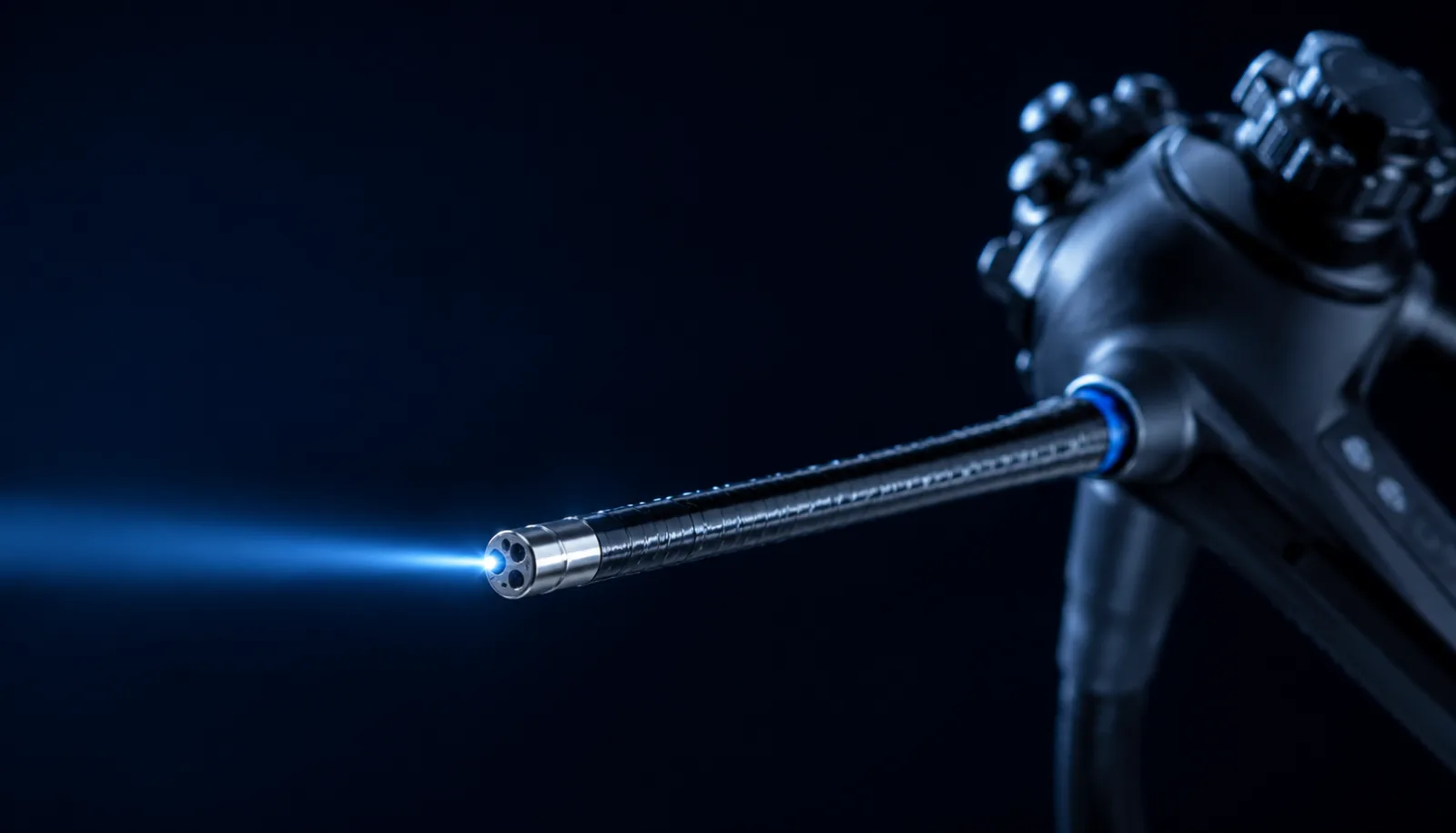
RIRS is an advanced procedure used to treat stones located inside the kidney. A flexible ureteroscope is passed through the urinary passage into the kidney. Using laser energy, the stone is fragmented into fine dust-like particles.
RIRS is particularly useful for:
- Medium-sized kidney stones
- Stones in difficult anatomical locations
- Patients unfit for open surgery
- Recurrent stone formers
Why Laser Treatment is Preferred Over Open Surgery
In the past, kidney stones required open surgery with large incisions. Modern laser techniques have eliminated the need for major surgery in most cases.
- No large scars
- Reduced hospital stay
- Minimal postoperative pain
- Lower infection risk
- Faster recovery
Who is a Candidate for RIRS?
You may be advised RIRS if:
- Your stone size is between 1–2 cm
- Stone location is difficult to access with shockwave therapy
- You have recurrent stones
- You have bleeding disorders
- You prefer minimally invasive treatment
Procedure Duration and Recovery
Laser URS and RIRS procedures usually take 45–90 minutes depending on stone size and complexity. Most patients are discharged within 24 hours.
A temporary ureteral stent may be placed to ensure smooth urine flow and is removed within a few days.
Risks and Safety
Laser stone surgery is considered very safe when performed by an experienced urologist. Minor side effects may include temporary burning urination or mild discomfort.
Serious complications are rare under expert care.
Why Choose Dr Manmeet Singh for RIRS in Lucknow?
- 20+ years experience in advanced endourology
- Director-level expertise at Medanta Hospital
- High success rate in complex stones
- Ethical and transparent counseling
- Modern laser technology
- Personalized post-operative follow-up
Cost of Laser URS & RIRS in Lucknow
The cost depends on:
- Stone size and location
- Hospital stay duration
- Need for additional procedures
- Stent placement requirements
For exact cost estimation, consultation and imaging evaluation are required.
Preventing Recurrence of Kidney Stones
After successful surgery, preventive strategies are important:
- Increase water intake
- Reduce salt consumption
- Limit oxalate-rich foods
- Regular follow-up scans
- Metabolic evaluation for recurrent stone formers
Book Laser Kidney Stone Consultation in Lucknow
If you are experiencing severe back pain, blood in urine or recurrent stone problems, consult Dr Manmeet Singh for advanced laser kidney stone treatment in Lucknow.
Call +91 9278164041Watch: RIRS vs PCNL – Which is Better for Kidney Stones?
Frequently Asked Questions – Laser URS & RIRS
RIRS is preferred for medium-sized stones and offers minimal invasiveness. PCNL is recommended for very large stones.
No. The procedure is performed under anesthesia and recovery discomfort is minimal.
Most patients resume normal activities within 3–5 days.
RIRS is effective for stones between 1–2 cm. It is also preferred for stones in difficult anatomical positions or patients unsuitable for PCNL.
Yes. A ureteral stent is usually placed temporarily to ensure smooth urine drainage. It is removed within a few days at follow-up.
Most patients require a single session. Complex or multiple stones may occasionally need a second sitting for complete stone clearance.
Yes. RIRS is preferred for patients with bleeding disorders as it involves no external incision or kidney puncture, making it the safest laser stone option for high-risk patients.
Consult Dr Manmeet Singh – Urologist in Lucknow
Director – Urology, Robotics & Kidney Transplant
Medanta Hospital Lucknow