
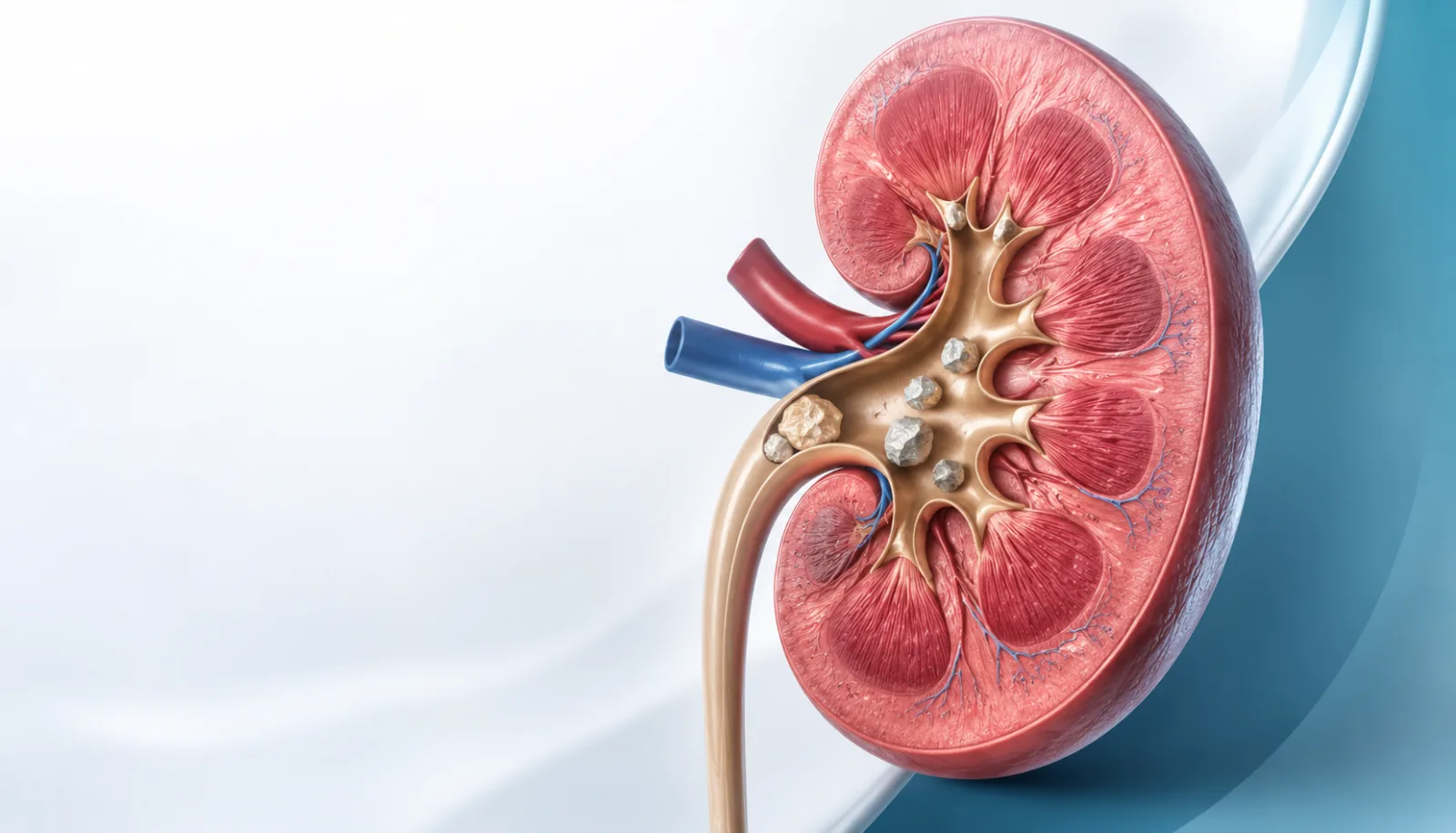
Kidney stones are often considered an adult problem, but over the last two decades, doctors across the world have seen a significant rise in kidney stones among children and teenagers. Pediatric nephrolithiasis — the medical term for kidney stones in children — is now an increasingly recognized condition that requires timely diagnosis and proper long-term care.
For parents, the idea of a child suffering from kidney stones can be frightening. However, understanding the warning signs, causes, and preventive measures can help protect your child’s kidney health and prevent recurrence.
What Are Kidney Stones?
Kidney stones are hard mineral deposits that form inside the kidneys when substances such as calcium, oxalate, uric acid, or cystine become highly concentrated in urine. These crystals gradually combine and grow into stones.
In children, the most common stones are:
- Calcium oxalate stones
- Calcium phosphate stones
- Uric acid stones
- Cystine stones (often linked to genetic disorders)
Some stones remain tiny and pass naturally, while others may obstruct urine flow and cause severe pain, infection, or kidney damage.
Why Are Kidney Stones Increasing in Children?
Modern lifestyle and dietary habits are major contributors to the rising incidence of pediatric kidney stones. Researchers have identified several important factors:
- Poor water intake and chronic dehydration
- Excessive salt consumption from packaged foods
- Sugary beverages and soft drinks
- High intake of processed foods
- Obesity and sedentary lifestyle
- Excessive animal protein intake
- Reduced dietary calcium intake
- Increasing antibiotic exposure affecting gut bacteria
Studies also show that kidney stone incidence in children has been increasing by nearly 6–10% annually in some populations.
Common Symptoms Parents Should Never Ignore
Unlike adults, children may not always clearly describe kidney stone pain. Symptoms can sometimes be vague or mistaken for stomach issues.
Parents should seek medical attention if a child develops:
- Severe abdominal, side, or back pain
- Pain while passing urine
- Blood in urine (pink, red, or cola-colored urine)
- Frequent urination
- Sudden urgency to urinate
- Nausea or vomiting
- Fever with urinary symptoms
- Recurrent urinary tract infections (UTIs)
In younger children, unexplained irritability or recurrent abdominal pain may occasionally be the only signs.
Which Children Are at Higher Risk?
Certain children are more prone to developing stones than others.
Family History
If parents or close relatives have kidney stones, the child’s risk significantly increases.
Metabolic Disorders
Many children with kidney stones have underlying metabolic abnormalities such as:
- Hypercalciuria (high urinary calcium)
- Hyperoxaluria
- Hypocitraturia
- Cystinuria
- Hyperuricosuria
Structural Urinary Abnormalities
Congenital urinary tract obstruction or abnormal anatomy may increase stone formation due to urinary stasis.
Medical Conditions and Medicines
Children with bowel disease, obesity, recurrent UTIs, seizure disorders, or certain genetic diseases may be at increased risk. Some medications, including topiramate and ketogenic diets used for epilepsy, may also contribute.
How Are Kidney Stones Diagnosed in Children?
Evaluation begins with detailed history and physical examination.
Ultrasound
Ultrasound is usually the first imaging test because it avoids radiation exposure and detects most clinically significant stones.
CT Scan
CT scan may occasionally be required in difficult cases, though doctors try to minimize radiation exposure in children.
Urine and Blood Tests
These help identify:
- Infection
- Calcium abnormalities
- Oxalate levels
- Uric acid disorders
- Kidney function problems
Metabolic Evaluation
Children with stones often require detailed metabolic testing because recurrence risk is high.
Treatment Options for Kidney Stones in Children
Treatment depends on:
- Stone size
- Stone location
- Symptoms
- Presence of infection or blockage
Conservative Treatment
Small stones may pass naturally with:
- Increased fluid intake
- Pain medications
- Medical expulsive therapy under supervision
Minimally Invasive Procedures
Larger or obstructing stones may require:
- Ureteroscopy (URS)
- Laser stone fragmentation
- Extracorporeal Shock Wave Lithotripsy (ESWL)
- Percutaneous nephrolithotomy (PCNL) in selected cases
Modern pediatric stone surgery is highly advanced, minimally invasive, and usually allows rapid recovery.
Can Kidney Stones Come Back?
Yes. Unfortunately, recurrence is common in children, especially if the underlying cause is not identified and corrected.
That is why long-term prevention is extremely important.
How Parents Can Help Prevent Kidney Stones
Encourage Adequate Water Intake
Hydration is the single most important preventive measure. Proper urine dilution reduces crystal formation.
Reduce Excess Salt
High sodium intake increases urinary calcium excretion and stone risk. Processed snacks, chips, instant foods, and fast food should be limited.
Avoid Excess Sugary Drinks
Soft drinks and high-fructose beverages are associated with higher stone formation risk.
Maintain Balanced Calcium Intake
Contrary to common belief, severely restricting dietary calcium may actually increase stone risk. Children need age-appropriate calcium intake for bone health and oxalate balance.
Promote Active Lifestyle
Healthy weight maintenance and regular physical activity may help reduce recurrence risk.
When Should Parents Consult a Urologist?
Immediate medical evaluation is important if a child has:
- Severe flank or abdominal pain
- Blood in urine
- Recurrent urinary infections
- Vomiting with urinary symptoms
- Fever with suspected urinary obstruction
Delayed treatment may increase the risk of infection, kidney damage, or recurrent stones.
Final Words from Dr. Manmeet Singh
Kidney stones in children are no longer rare. The good news is that with early diagnosis, proper metabolic evaluation, advanced minimally invasive treatment, and lifestyle modification, most children recover very well and lead completely healthy lives.
Parents should never ignore recurrent abdominal pain, urinary complaints, or blood in urine in children. Early specialist evaluation can make a major difference in protecting long-term kidney health.
About the Author
Dr. Manmeet Singh is a senior urologist with expertise in kidney stone treatment, endourology, minimally invasive urological surgery, and advanced urinary tract care.