
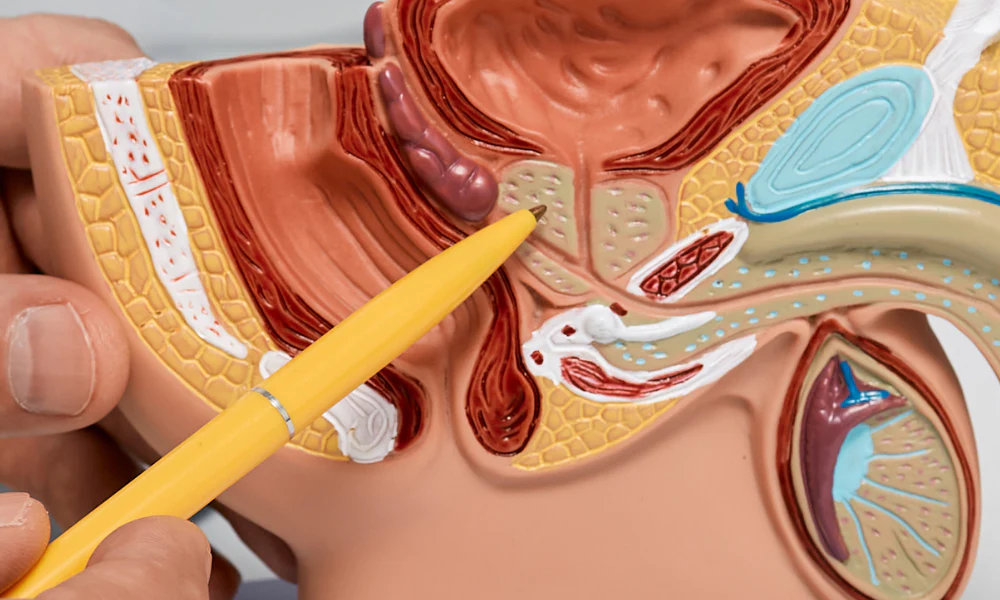
Urine leak after prostate surgery is one of the most common concerns patients have during recovery. Many men feel anxious when they notice urine leaking while coughing, standing up, walking, or even without warning after surgery. The good news is that some degree of urinary leakage is often expected after prostate surgery, especially during the early recovery period. In most cases, bladder control gradually improves over weeks to months as the body heals. Understanding what is normal, what may need medical attention, and what treatments are available can help patients and caregivers manage recovery with greater confidence.
Why this matters in India
Prostate enlargement and prostate cancer are increasingly diagnosed in India as life expectancy rises and awareness improves. Surgical procedures such as Transurethral Resection of the Prostate (TURP), laser prostate surgery, and radical prostatectomy can significantly improve urinary symptoms or treat prostate cancer. However, temporary urinary leakage can occur after these procedures.
Many Indian patients hesitate to discuss urinary incontinence because of embarrassment or social stigma. Some may avoid travel, religious gatherings, family functions, or daily exercise because they worry about leakage. Understanding that urinary leakage is a recognised part of recovery for many patients can reduce anxiety and encourage timely medical follow-up.
At centres such as Medanta Hospital Lucknow, recovery plans commonly include guidance on pelvic floor exercises, bladder training, and follow-up assessments to support the return of urinary control.
Symptoms / signs to watch for
Urinary leakage can vary from mild dribbling to more significant loss of urine. Common symptoms include:
- Leakage while coughing, sneezing, laughing, or lifting objects
- Dribbling of urine after standing up or walking
- Sudden urge to urinate followed by leakage
- Needing urinary pads or protective garments
- Frequent urination during the day or night
- Difficulty holding urine long enough to reach a toilet
- Persistent wetness despite bladder emptying
While mild leakage is often expected early after surgery, symptoms that worsen rather than improve should be discussed with your urologist.
Diagnosis (what tests to expect)
If urinary leakage continues beyond the expected recovery period or appears severe, your urologist may recommend further evaluation.
The assessment usually begins with a detailed medical history. Your surgeon may ask when leakage occurs, how many pads are used daily, and whether symptoms are improving over time.
Common diagnostic tests may include:
Physical examination: To assess healing and identify any complications.
Urine examination: To check for infection, which can worsen urinary symptoms.
Bladder ultrasound: To determine whether the bladder is emptying properly.
Pad test: Measures the amount of urine leakage over a specific period.
Uroflowmetry: Evaluates the strength and pattern of urine flow.
Urodynamic testing: Special tests that assess bladder and sphincter function.
Cystoscopy: In selected cases, a small camera may be used to examine the urethra and bladder.
These investigations help determine whether leakage is part of normal recovery or whether additional treatment is required.
Treatment options
Treatment depends on the type and severity of urinary leakage, the surgery performed, and the patient's overall health.
Pelvic floor exercises
Pelvic floor muscle exercises (Kegel exercises) are often the first and most important treatment. These exercises strengthen the muscles that help control urine flow.
Many patients begin pelvic floor training before surgery and continue during recovery. Regular practice can improve urinary control over time.
Bladder training
Bladder training involves gradually increasing the time between urination. This helps improve bladder capacity and reduce urgency-related leakage.
Lifestyle modifications
Simple lifestyle measures may help:
- Maintain a healthy weight
- Avoid excessive caffeine and alcohol
- Stay adequately hydrated
- Manage constipation
- Stop smoking if applicable
Reducing bladder irritants may decrease urgency and leakage episodes.
Medications
Some patients experience urge incontinence due to bladder overactivity. In these cases, medications may help relax the bladder and reduce sudden urges.
Absorbent products
Pads and protective undergarments can help patients remain comfortable and active during recovery. Using these products temporarily does not slow healing.
Advanced treatments
If urinary leakage persists despite conservative measures, additional treatments may be considered.
These can include:
- Injectable bulking agents
- Male sling procedures
- Artificial urinary sphincter implantation
These treatments are usually reserved for patients with persistent urinary incontinence that significantly affects quality of life.
Patients recovering from prostate surgery may also benefit from learning more about available treatment options through the prostate care information available at /services/prostate-treatment-lucknow.
When to see a urologist
Although urinary leakage is often expected after prostate surgery, certain situations require medical review.
You should contact your urologist if:
- Leakage suddenly becomes worse
- You develop fever or chills
- There is severe burning during urination
- You notice blood clots in urine
- You cannot pass urine at all
- Leakage remains severe several months after surgery
- Symptoms significantly affect daily activities or sleep
Early evaluation can identify treatable causes and improve long-term outcomes.
Recovery timelines vary from person to person. Some men regain bladder control within a few weeks, while others may take several months. Factors such as age, pre-existing bladder function, type of surgery, and overall health can influence recovery.
It is important to remember that urinary leakage after prostate surgery does not automatically mean something has gone wrong. For many patients, it is a temporary phase of healing. Following postoperative instructions, performing pelvic floor exercises consistently, and attending follow-up appointments can support recovery.
If you are experiencing urine leakage after prostate surgery and are unsure whether your recovery is progressing normally, consult a qualified urologist for an individual assessment. Early guidance can provide reassurance, identify any complications, and help you return to daily life with greater confidence.